 KeikiStory
How Inna Maksymenko's Team in Kyiv Built Keiki, a Kids' App Earning ~$1M a Month
Inna Maksymenko's team kept shipping Keiki from Kyiv through the war, and the kids' learning app is now estimated at $1M a month. See how its onboarding talks to both kids and parents.
Keiki, a learning app for kids aged 2 to 8, is estimated to earn about $1 million a month. It's built by a team in Kyiv, Ukraine, which has kept shipping the app to children around the world since the war began.
Here's how it was built, with the real screens.
The founder: she grew up helping her mom at a kindergarten
Keiki was founded by Inna Maksymenko. As a child, she often helped her mother, who worked at a kindergarten, and came away feeling that parents and teachers can never have too much help.
When she decided to build an app for kids and researched the market, she found it was growing. And an app like this is for parents and children at the same time. In her words, it's "a little person's first introduction to the digital world."
The first version launched in 2019 inside Genesis, a group of Ukrainian tech companies, with a team of just seven. She says starting later than competitors turned out to be an advantage, because they could build for kids as they are today.
Shipping through the war
In 2022, Russia's full-scale invasion began. For the first few days, no one could work. But soon the team itself said they could keep working, even while volunteering.
Through a winter of power outages, the Kyiv office became a base for everyone, with electricity, internet, water and a bomb shelter. The app is free for children in Ukraine. In five years, the team grew to more than 40 people.
Listening to parents in 140 countries
Keiki now supports 14 languages and is used in more than 140 countries. The US is the largest market, with about half of all users.
The team aims to answer every one of the roughly 2,000 support messages it gets each month within 24 hours. It also interviews three groups of people: current users, people who left, and people who use competing apps. Even the characters were designed by asking kids what they like. That habit of listening to parents and kids shows up directly in the onboarding.
Onboarding, part 1: talk to both parents and kids
The first screen promises balanced screen time at last, putting the play kids love next to the learning parents can trust.
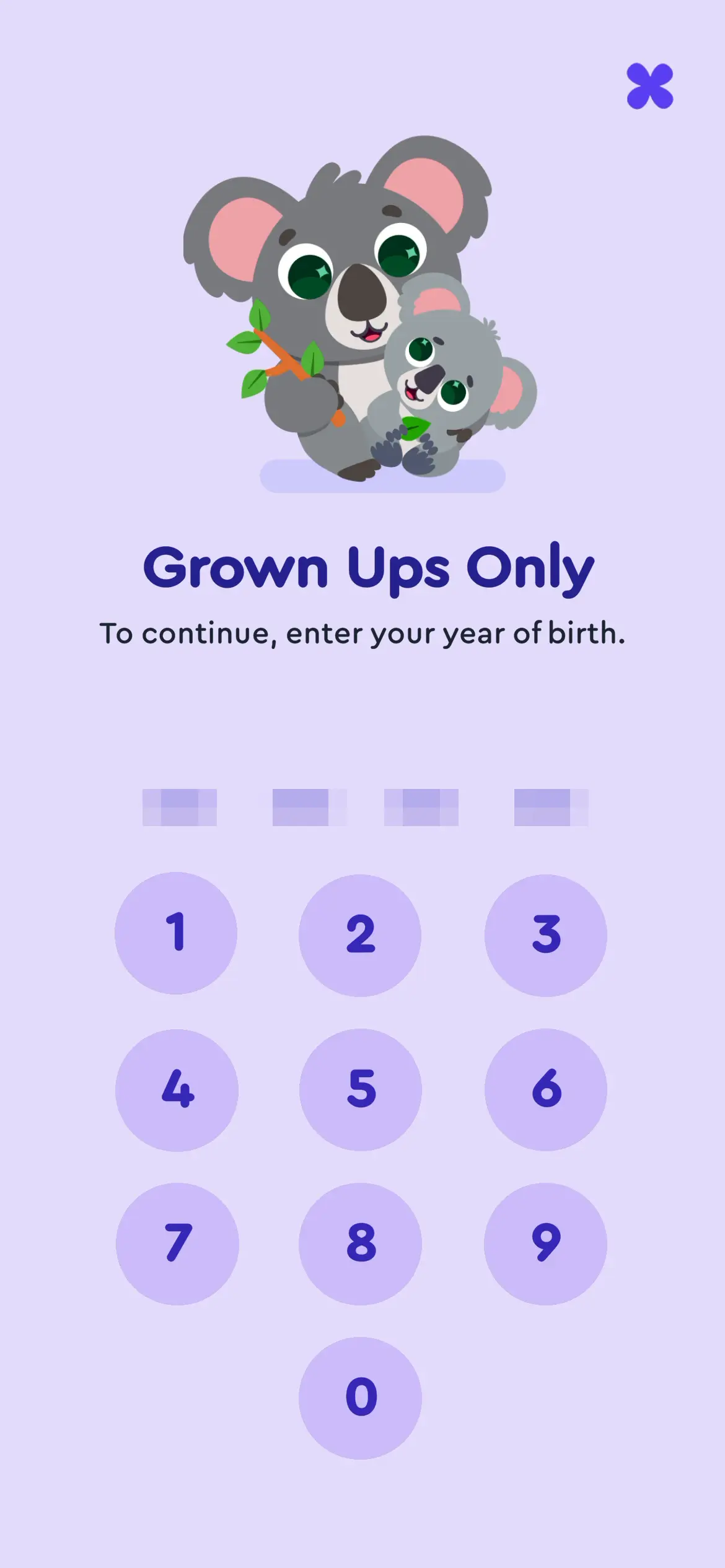
Then comes an adults-only screen: you can't continue without entering your birth year. After that, a character named Didi starts talking in speech bubbles, asks for the child's age and name, and lets the child pick a buddy character to learn with.
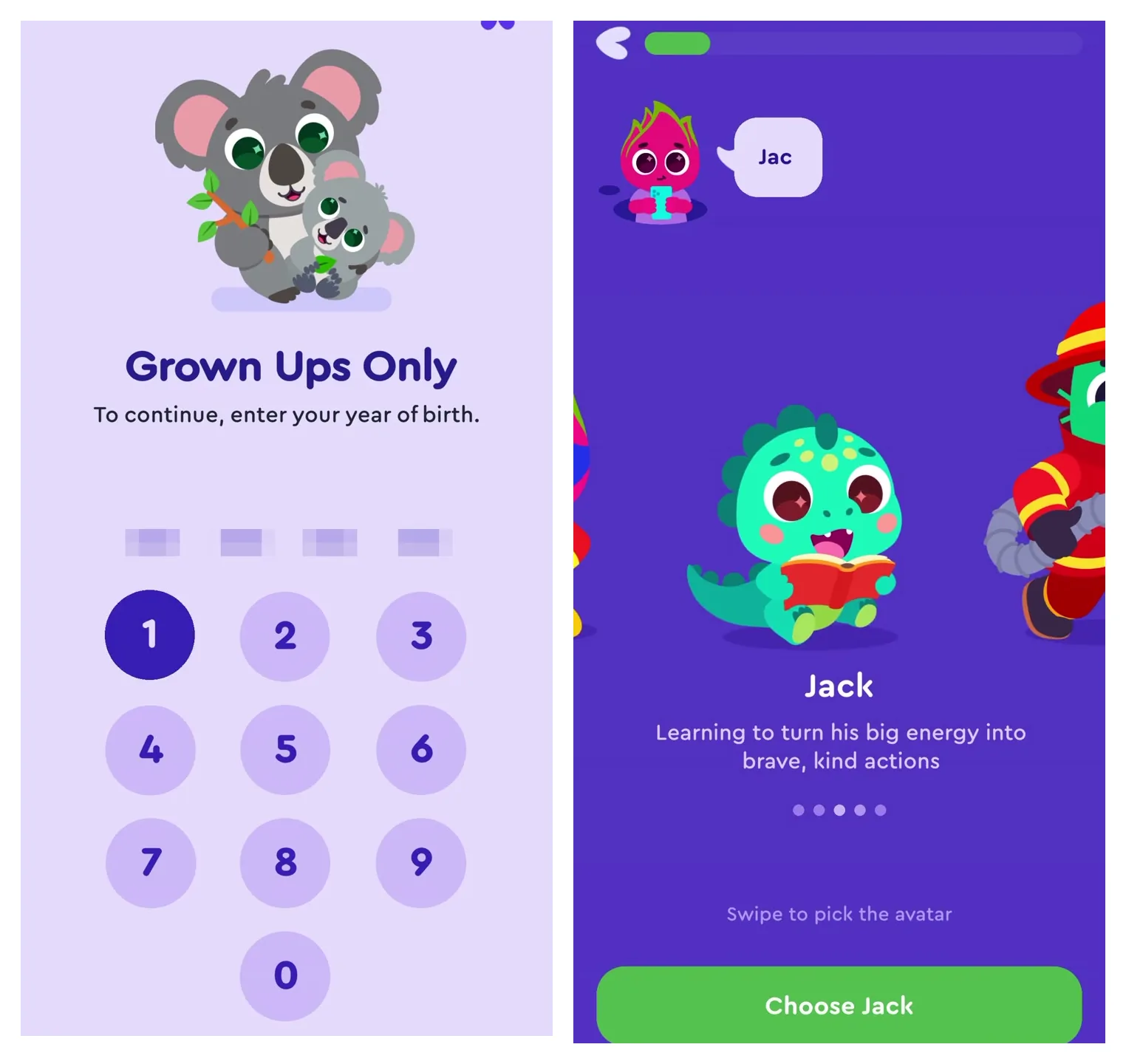
Kids use the app and parents pay for it, so it's built for both to take part.
Onboarding, part 2: answer what parents really want
Next, the app asks parents for their main reason for coming. The first option is wanting to keep their child happily busy while they get things done. Keiki turns what parents are actually thinking into an answer they can tap.
Then comes a chart about less watching and more reading. It says 82% of parents get up to 40 minutes to work or rest while their child learns with Keiki, and that kids stay focused twice as long and learn 3.5 times more than with other apps.
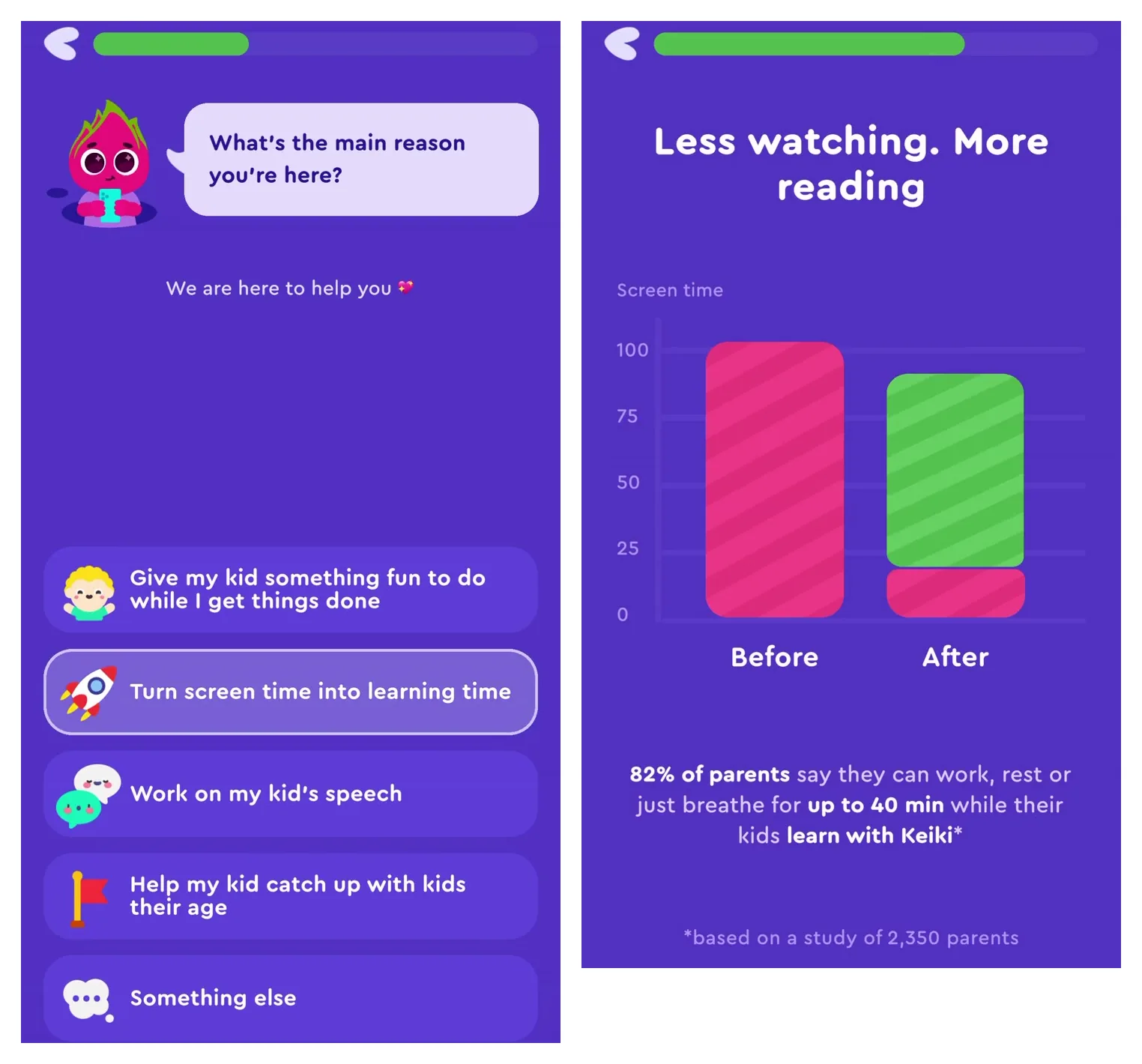
It speaks to both the honest wish for a short break and the hope that kids are really learning.
Paywall: a 50%-off weekly plan, and a second adults-only check
When the questions end, a seven-day learning plan appears: tracing letters on day 1, learning numbers on day 2, and so on.
Next, the app says it wants you to enjoy seven days for free, shows a button to try it for $0, and promises a reminder before the trial ends.
The paywall lists three options (a free trial, one week and six months), and the one selected by default is the weekly plan at 50% off. The button itself says to claim the 50% off, so people move naturally toward the discounted weekly plan.
Before the purchase goes through, another adults-only check appears, so a child can't buy anything by accident.
Growth: activities parents can copy at home
Keiki also invests in social media. According to the interview, it has more than 380,000 followers on Facebook and Instagram. A video on its official TikTok with 140,000 views shows a math game you can play at home: kids learn subtraction by cutting "hair" made of sticky notes.
The app appears only in the last two seconds. Making parents feel that this company understands how kids learn is what builds trust in the app.
Note: The revenue figure is an AppSprint estimate (October 2026) and has not been independently verified. Team size, languages, countries, support volume and follower counts are what the founder said in an interview with Mezha (August 2024). 82%, "twice as long" and "3.5 times" are claims shown on the app's screens. View counts are as of when this story was written.
Ideas worth copying
See Keiki's full onboarding
This story only shows a few of the screens. Onbo Hub has all 32, from the first screen to the last.
View the onboarding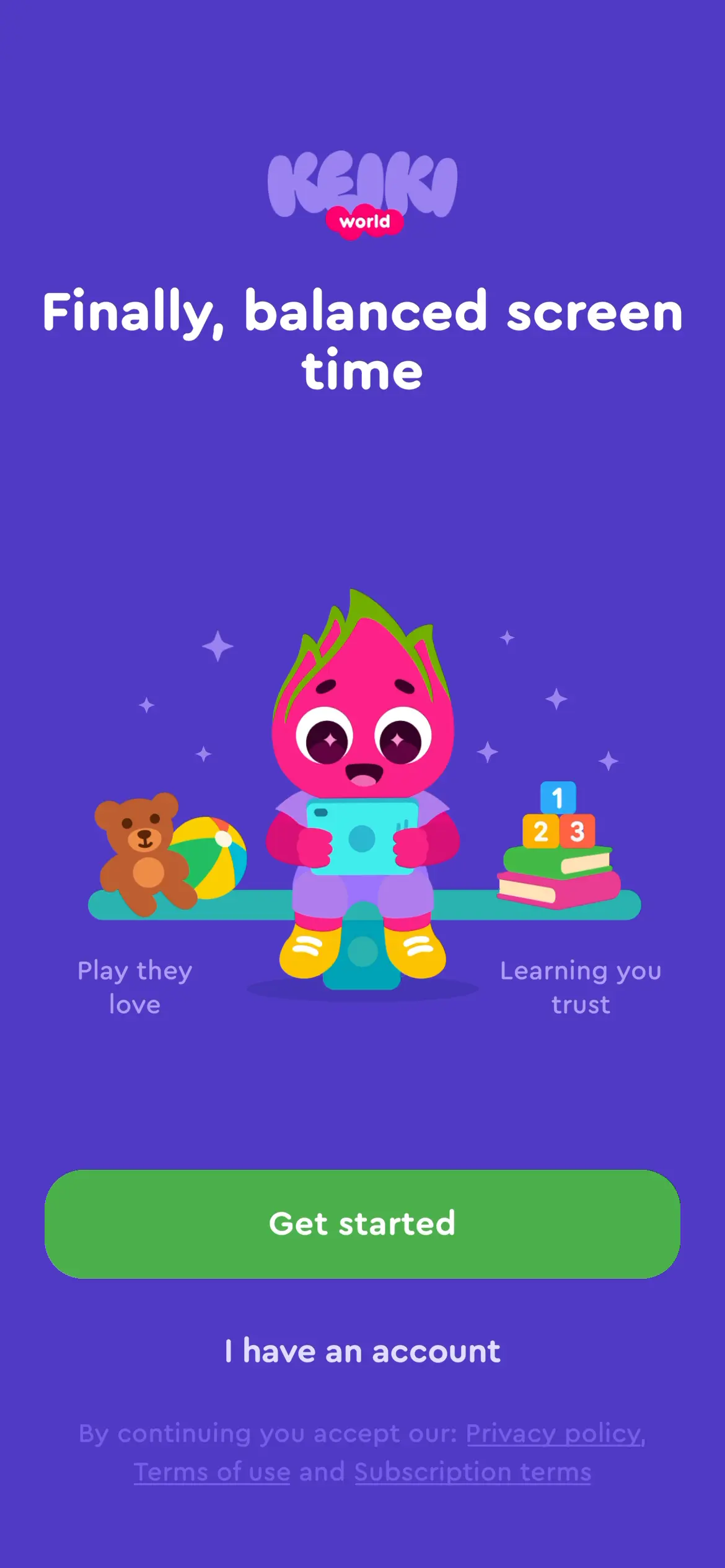

Newsletter
Founder stories and growth teardowns of apps that are actually making money.
Sources
- Mezha, "Inna Maksymenko, Keiki: 'Our app is essentially a little person's first introduction to the digital world'"mezha.ua
- AppSprintappsprint.app
- Keiki (official site)keiki.app
- Genesis (Keiki jobs page)djinni.co
- Keiki (App Store)apps.apple.com
- A sticky-note "haircut" subtraction game (TikTok @keiki_app)tiktok.com
 Halo AI
 Lively
 YarnPal