 MacroFactorStory
How Greg Nuckols Turned a Spreadsheet into MacroFactor: 600K Users, No Ads
A powerlifting world-record holder's free spreadsheet became MacroFactor, which grew from 35K to 600K+ users with no ads and no outside funding. See the onboarding that explains its math and promises not to sell your data.
There are countless apps for logging what you eat. MacroFactor is one that grew to more than 600,000 users without ever running ads inside the app. It calculates your metabolism from changes in your body weight and adjusts your calorie targets automatically every week.
It all started with a single spreadsheet, shared by a man who holds powerlifting world records. Here's how it was built, with the real screens.
The founder: a world-record holder who loves research
MacroFactor was built by Greg Nuckols and a small group of collaborators in the US. Nuckols played American football until a concussion ended it, then moved to powerlifting, where he went on to set three all-time world records.
He also earned a master's degree in exercise science and started a blog that explains research in plain language. That blog is today's Stronger By Science, and it's where he shared a spreadsheet for calculating how much to eat. He has said that the spreadsheet he released around 2015 is the core of the app, even though it was very simple.
Build something, then come back
The spreadsheet had a weakness: it had little data to work with and couldn't smooth out day-to-day swings in body weight.
In 2020, Cory Davis, a developer who used the spreadsheet, reached out online and asked whether Nuckols wanted to turn it into an app together. They had never met, so Nuckols told him to come back once he had built something he could show. Davis spent a few months building a first version, and it was better than Nuckols expected, so they decided to work together.
Davis handled development with Rebecca, a teammate trained in data science. His wife, Lyndsey, handled design and marketing. One of the first people to try it was the popular fitness YouTuber Jeff Nippard.
No ads, 17x growth in four years
MacroFactor launched in September 2021, with a "launch party" livestream on YouTube on launch day. Users grew from 35,000 in 2022 to more than 600,000 in 2026, 17 times in four years.
The company hasn't taken outside funding and credits word of mouth as the biggest driver of its growth. The team reads user groups and forums and runs a feature request board. Nuckols has said that most people know what they want and will tell you if you ask, and that when you build it, they're thrilled. In 2024, MacroFactor was named one of Google Play's Best of 2024.
Onboarding: a privacy promise, and the reason behind each number
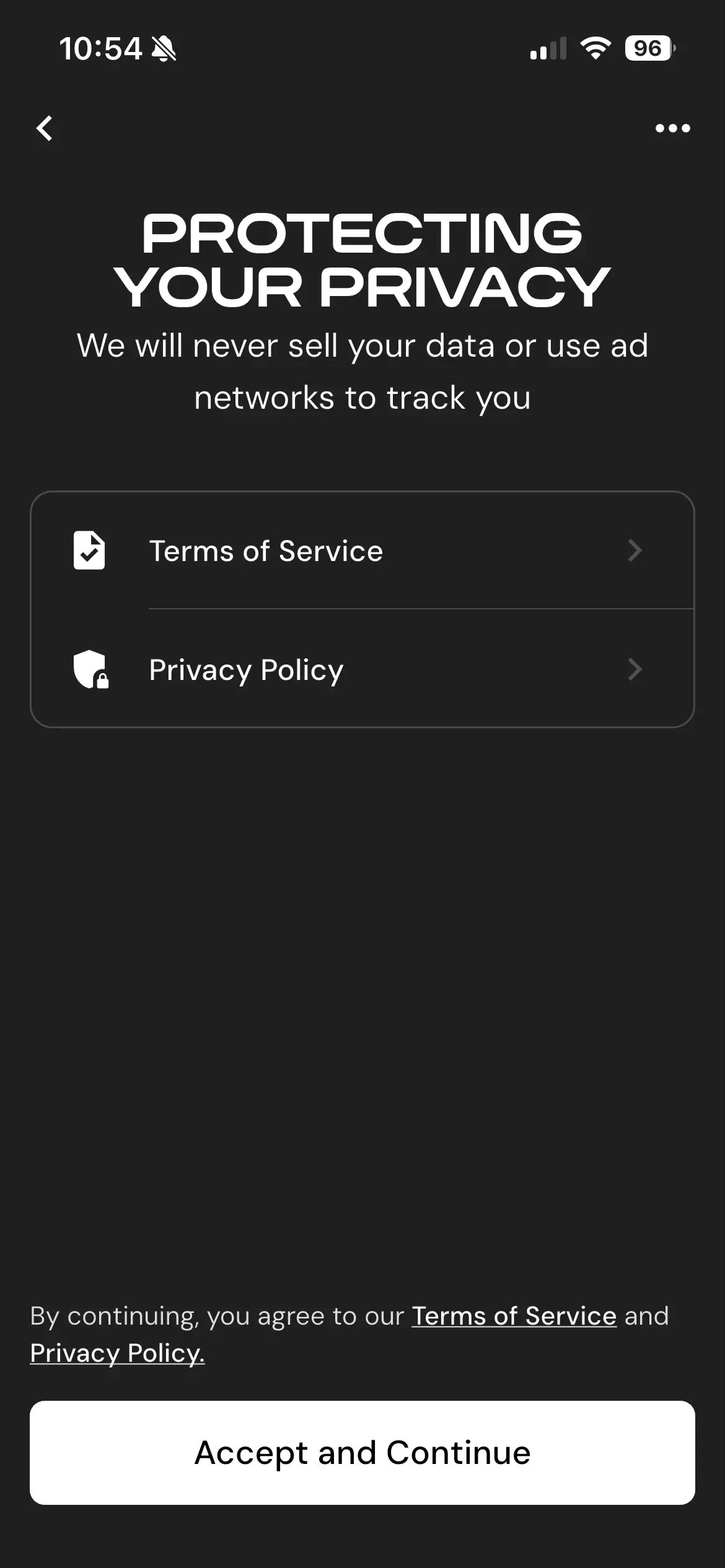
The first screen describes the app as driven by science and magically easy to use. Next, before asking anything, it promises that it doesn't sell your data or track you for ads.
When the questions are done, results appear in a chat-style format, such as how many calories you burn in a day (2,600 in the recording). Below it is a button asking how that was calculated. Tap it, and the app explains that its research team built a formula based on height, weight, age, sex and activity level.
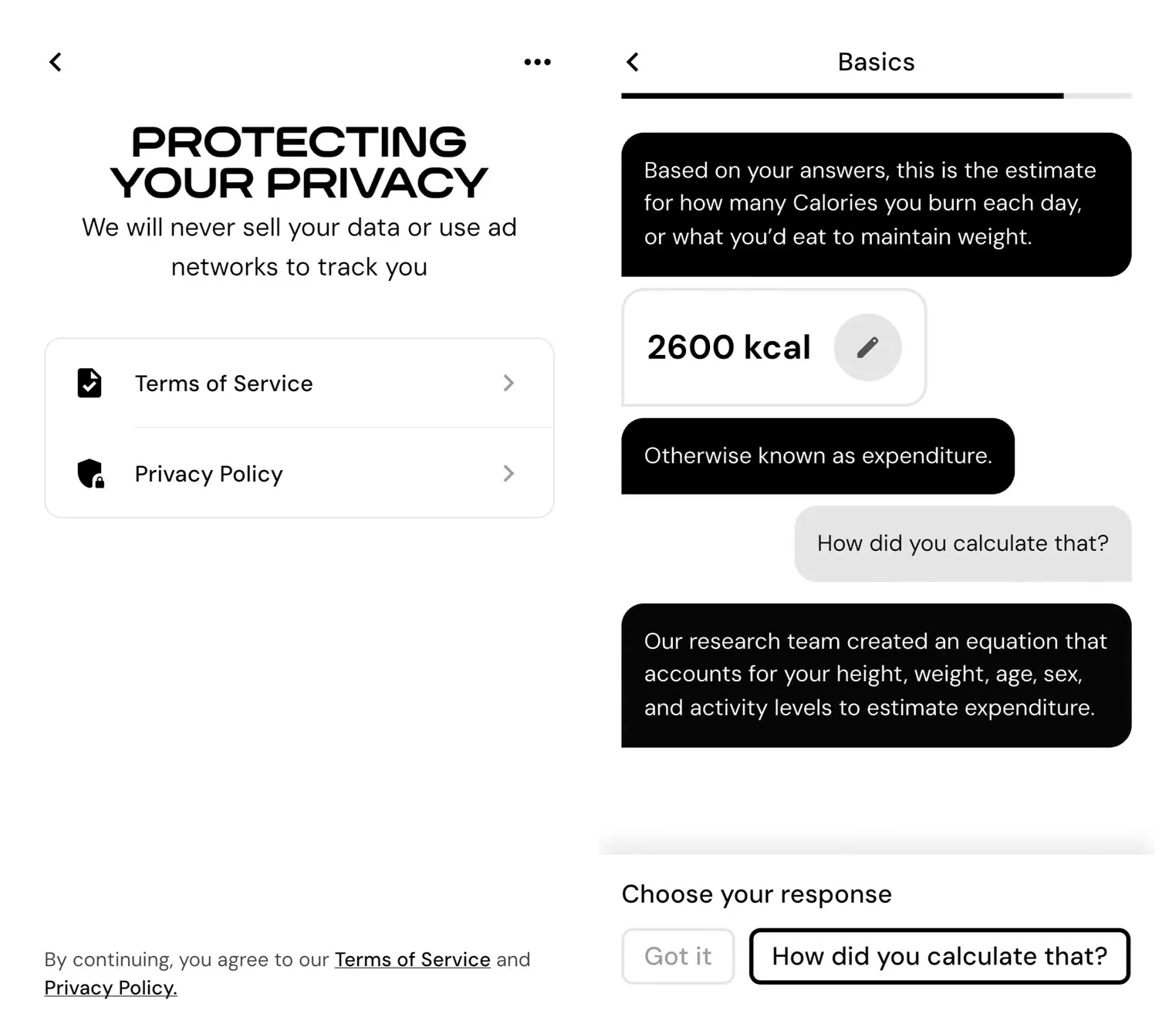
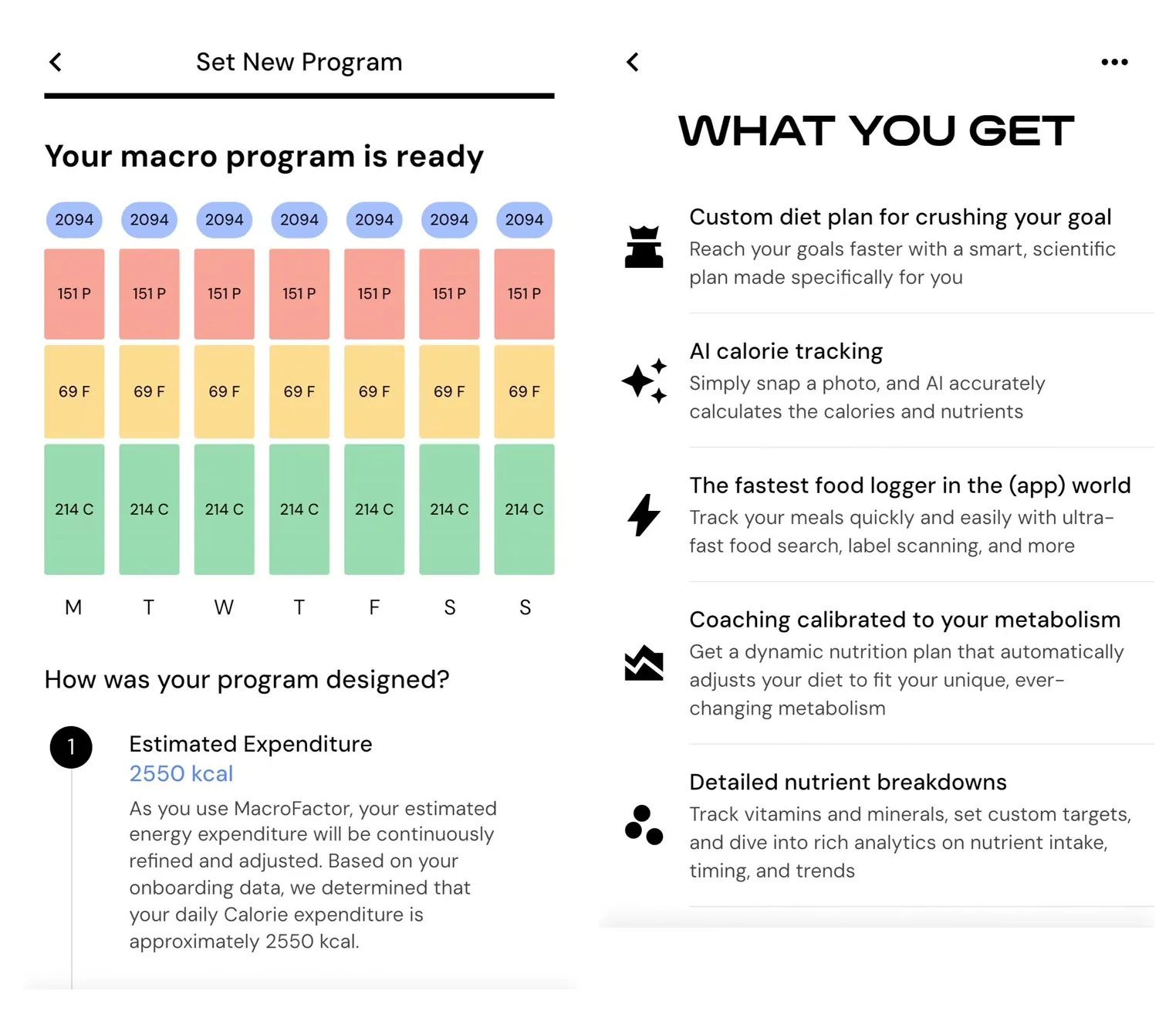
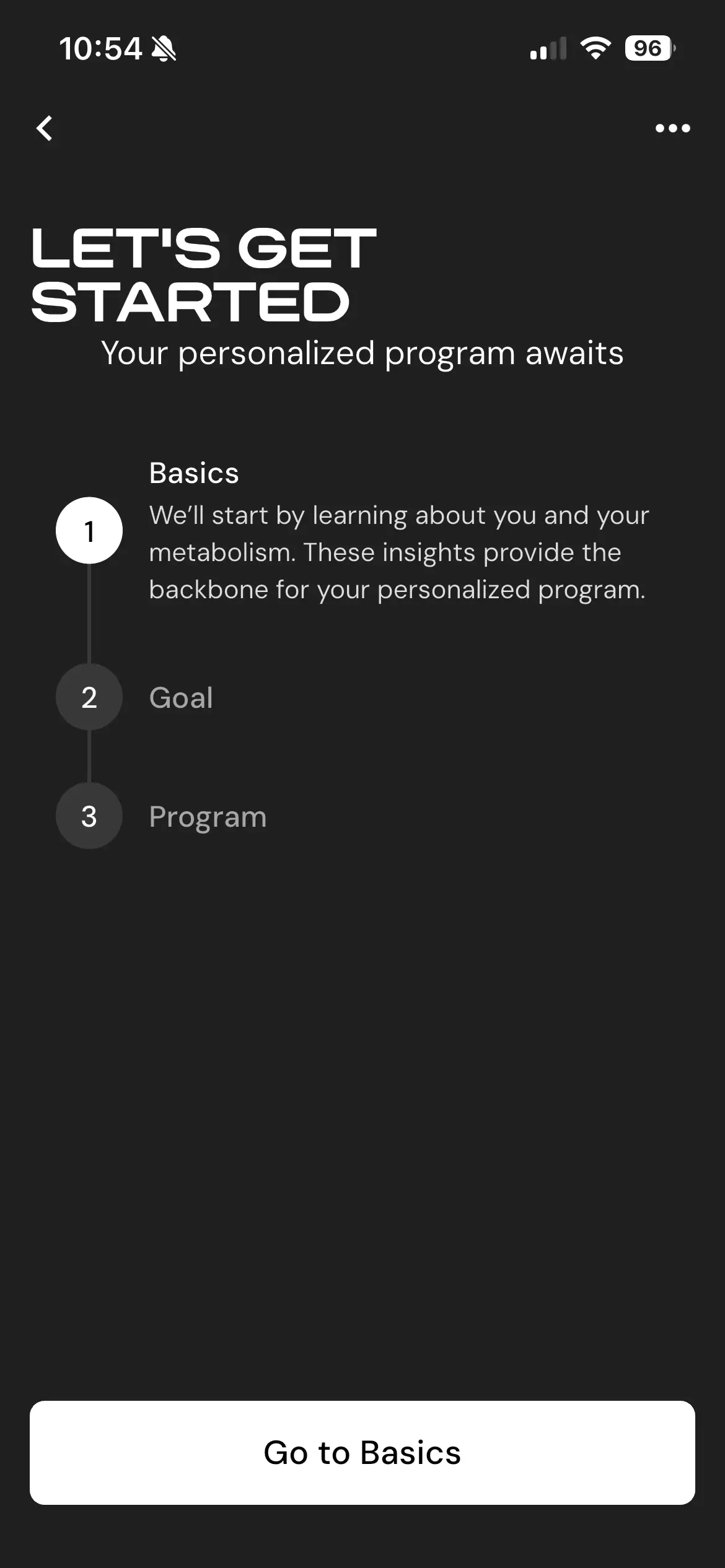
It doesn't just give you a number. It shows you the reason behind it. Finally, it shows a program with targets for each day of the week and a list of what the app can do.
Every plan starts with a 7-day free trial. There's no free plan, and in exchange, there are no ads in the app.
Growth: a co-owner who admits he's biased
A big part of MacroFactor's reach comes from Jeff Nippard, who later became a co-owner. His TikTok with 1.6 million views asks which nutrition app is the best, compares MacroFactor with popular alternatives one by one, and then admits that as a co-owner he's biased, but that he thinks it's the best by far.
Because he states his position up front, people trust the recommendation.
Note: User numbers come from MacroFactor's annual report (2026, figures from around September each year) and have not been independently verified. The number of all-time world records comes from Stronger By Science's About page, and the absence of outside funding from a MacroFactor press release. The calorie figure comes from the weight and other details entered during the recording. View counts are as of when this story was written.
Ideas worth copying
See MacroFactor's full onboarding
This story only shows a few of the screens. Onbo Hub has all 35, from the first screen to the last.
View the onboarding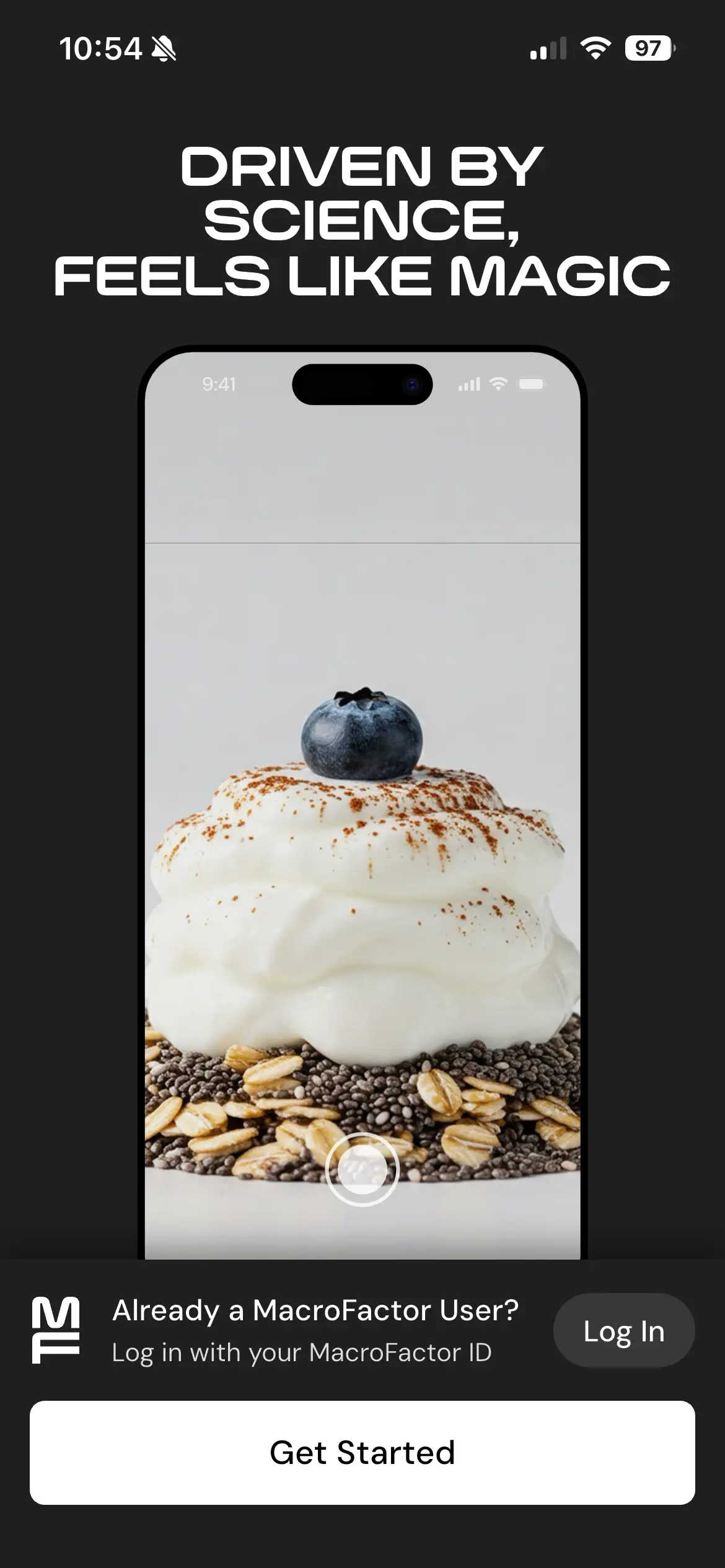
Newsletter
Founder stories and growth teardowns of apps that are actually making money.
Sources
- Stronger By Science, "LIVE SBS Podcast: MacroFactor Launch Party" (September 2021)youtube.com
- Wits & Weights, "Ep 78: Stress-Free Macro Tracking, Nerding Out on Metabolism, and Fitness Science with Greg Nuckols" (June 2023)youtube.com
- MacroFactor Annual Report 2026macrofactor.com
- Stronger By Science (About)strongerbyscience.com
- MacroFactor (Google Play Best of 2024 press release)silicon.co.uk
- MacroFactor (App Store)apps.apple.com
- What's the best nutrition app? (TikTok @jeffnippardfitness)tiktok.com
 Juno
 Reframe
 Lively