💪 A $200K-a-Month Alarm and a $100K-a-Month Phone Lock: Why "Push-Ups × Anything" Apps Are Selling Like Crazy
An alarm that won't shut off until you do push-ups. Social apps that stay locked until you do push-ups. "Push-ups × something" apps are pulling in tens to hundreds of thousands of dollars a month. I dug into three top sellers to unpack why push-ups work so well, what these apps have in common, and how I'd build and grow a new one.
October 14, 2026
Today's topic: "push-ups × something" apps!
I've been researching a lot of apps lately, and one type keeps popping up: push-up apps.
An alarm that won't stop ringing until you do push-ups.
An app that won't let you open Instagram or TikTok until you do push-ups.
An RPG where you defeat enemies by doing push-ups.
And these things sell.
Specifically, apps like these 👇
Wayk (push-ups × alarm): up to $200K a month
Pushscroll (push-ups × phone lock): $100K a month
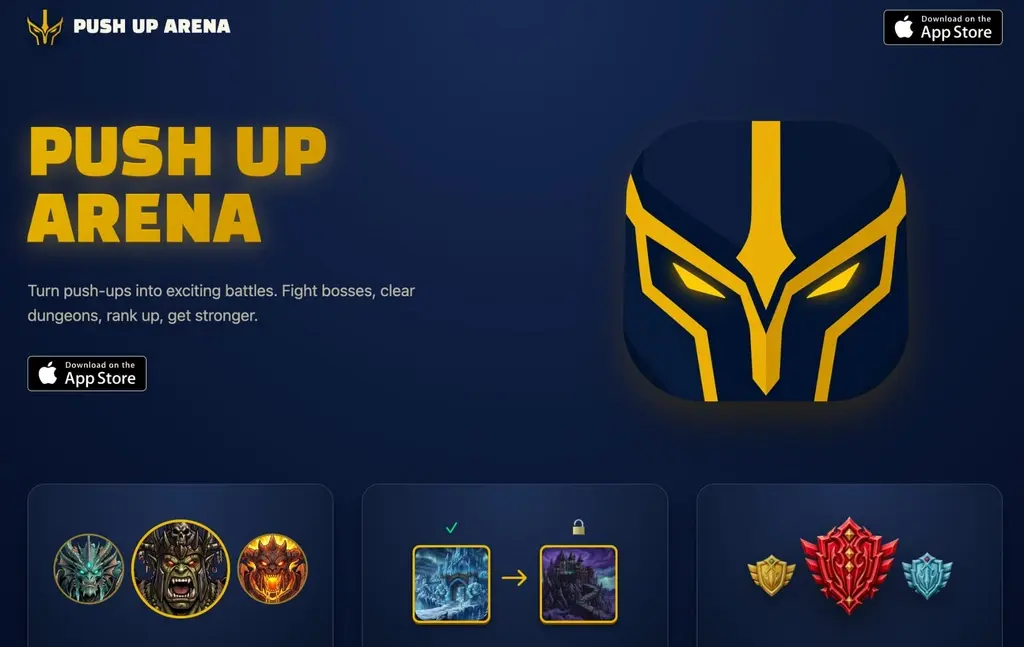
Push Up Arena (push-ups × RPG): $11K a month
Take an app theme that's been done a million times, add push-ups, and it instantly turns into an app that goes viral on short-form video and sells!!
So in this piece, I'll cover:
Three "push-ups × something" apps that are selling right now
What those three apps have in common
Why push-ups are such a powerful feature
If you were to build one of these apps yourself, what to build, how to build it, and how to grow it
I hope you'll read all the way to the end!
📵 Pushscroll: Push-Ups × Phone Lock, $100K+ a Month
First up is Pushscroll, arguably the app that kicked off the whole "push-ups × something" craze.
You can't open Instagram, TikTok, or other social apps until you do push-ups. It's an app where you "earn" scrolling time through exercise, like one push-up for one minute of screen time.
It was built by Alejandro Sanchez from Switzerland.
In May 2025, before writing a single line of code, he posted a TikTok asking, "What if you could stop doomscrolling addiction by doing 20 push-ups?" 👇
It got 86,000 views, and the comments flooded in: "Please build this!"
He started building from there and launched about a month after the video took off.
And where is it now? $100K a month and more than 1 million users.
What's impressive about him is that he simply stood in front of a camera and started filming short videos every day. Easy to say, not easy to do.
After filming a bunch of them, he posted the "push-ups × screen lock" idea, and that's the one that blew up.
And what's even more impressive: before building the app, he posted footage of push-ups being tracked on video.
Because he showed the visual before the app even existed, it went viral on TikTok. It's a case that shows just how striking push-ups are as a visual.
After that, he kept growing the app with videos that used people doing push-ups as the hook.
Push-ups and short-form video really are a perfect match!
⏰ Wayk: Push-Ups × Alarm, 25 Million Views in 30 Days
Next up is the alarm app Wayk!!!
I've covered it before, but this app is seriously selling. It's insane.
Wayk is an alarm that won't stop until you complete the mission you've set.
Users can choose from a range of missions, and one of them is push-ups!!
It was built by Marlon Grandy and his two best friends, a trio of 23-year-olds. No VC funding.
According to Marlon, it all started because he just couldn't wake up on time. Starting from your own problem is a strong place to begin.
Released in February 2026, it racked up 25 million total TikTok views, 100,000 downloads, and a #15 spot on the App Store in its first 30 days.
Within six months, it passed $200K a month.
What drove the growth? Short-form video, full stop.
They tried marketing on Reddit and X too, but apparently they got banned on Reddit and got zero response on X, lol.
For consumer apps, it really is all about TikTok and Instagram!!
So what kinds of videos are going viral?
For example, this one has over 600,000 views 👇
It's exactly what you'd expect: the hook is someone doing push-ups, and the video promotes the app from there.
Wayk also has a mission besides push-ups called Object Hunt (you have to take a photo of a specific object in your home), and videos featuring that are going viral too.
This one, for example, has 2.8 million views 👇
It's an Object Hunt video where you have to take a photo of your toilet to turn off your alarm.
With alarm apps, hooks that capture the urgency of "I have to get up" or that open on a crying, distressed face are strong on their own, so it's hard to say the push-up feature alone is what's going viral.
Still, there's no doubt that push-ups add a great bit of spice and are boosting Wayk's revenue.
And it's no coincidence: Wayk actually studied Pushscroll's viral formats and ported them straight over to an alarm clock.
"Film yourself using the app." "Show the moment that makes you want to scream." "Add a relatable POV caption."
They swapped Pushscroll's "you can't open your apps until you do push-ups" for "your alarm won't stop until you do push-ups."
By the way, another alarm app called Erly is also selling really well.
⚔️ Push Up Arena: Push-Ups × RPG, 100K Downloads in 90 Days
Next up is Push Up Arena.
It's an RPG where doing push-ups deals damage to enemies.
There's an RPG mode where you defeat enemies and clear dungeons, and there are even 1-on-1 online battles.
It was released on May 14, 2026, hit 100,000 downloads in 90 days, and now makes over $10K a month.
And once again, the user acquisition engine is short-form video on TikTok. Clips of people taking down enemies with push-ups, and of online battles against other users, are going viral like crazy.
This video, for example, has 3.3 million views.
Honestly, it's the kind of video you can't help watching, and then you go, "What is this? Looks fun!" and download it.
Push-ups are the ultimate tool for grabbing people's attention!
There's also another "push-ups × RPG" app called Pushup RPG, made by a solo developer in Kazakhstan.
Its short videos have racked up more than 2 million views too, and it passed 100,000 installs about two months after launch.
Slight tangent, but Kazakhstan has a ton of seriously talented engineers.
Higgsfield, the AI video-generation startup that's growing fast worldwide, also has its roots in Kazakhstan. It's scaling globally with a team of highly skilled Kazakh engineers who cost relatively little to hire.
I was just in Kazakhstan for an event called AI & Digital Bridge, and the energy there was incredible. It felt like the future.
Kazakhstan is definitely a country to keep an eye on!!
🔥 Why Are Push-Ups So Powerful?
Now we get to the heart of it.
Why are push-ups so powerful? I looked at it from a few different angles.
1. They go viral easily on short-form video
First and foremost, they go viral easily on short-form video. That's huge.
When you see a video of someone doing push-ups, you can't help but stop scrolling. You go, "Wait, why are they doing push-ups?!"
On short-form video, the first job is to stop the thumb.
2. The value comes across instantly, no words needed
It also matters a lot that the value comes across without words. Everyone in the world knows what a push-up is. It needs no translation.
When you're an indie developer going after global markets, having the language barrier disappear is a huge help.
3. Using the app is the video
In a previous post, I talked about how short videos promoting apps fall into two patterns: "slipping the app into content that goes viral" and "the act of using the app itself goes viral." The second tends to drive far more downloads.
Push-up apps are squarely in the second camp.
The app's core feature is directly tied to going viral. It doesn't just go viral; the share of viewers who go on to download and pay goes way up.
4. Onboarding can prompt that first rep and lock in commitment
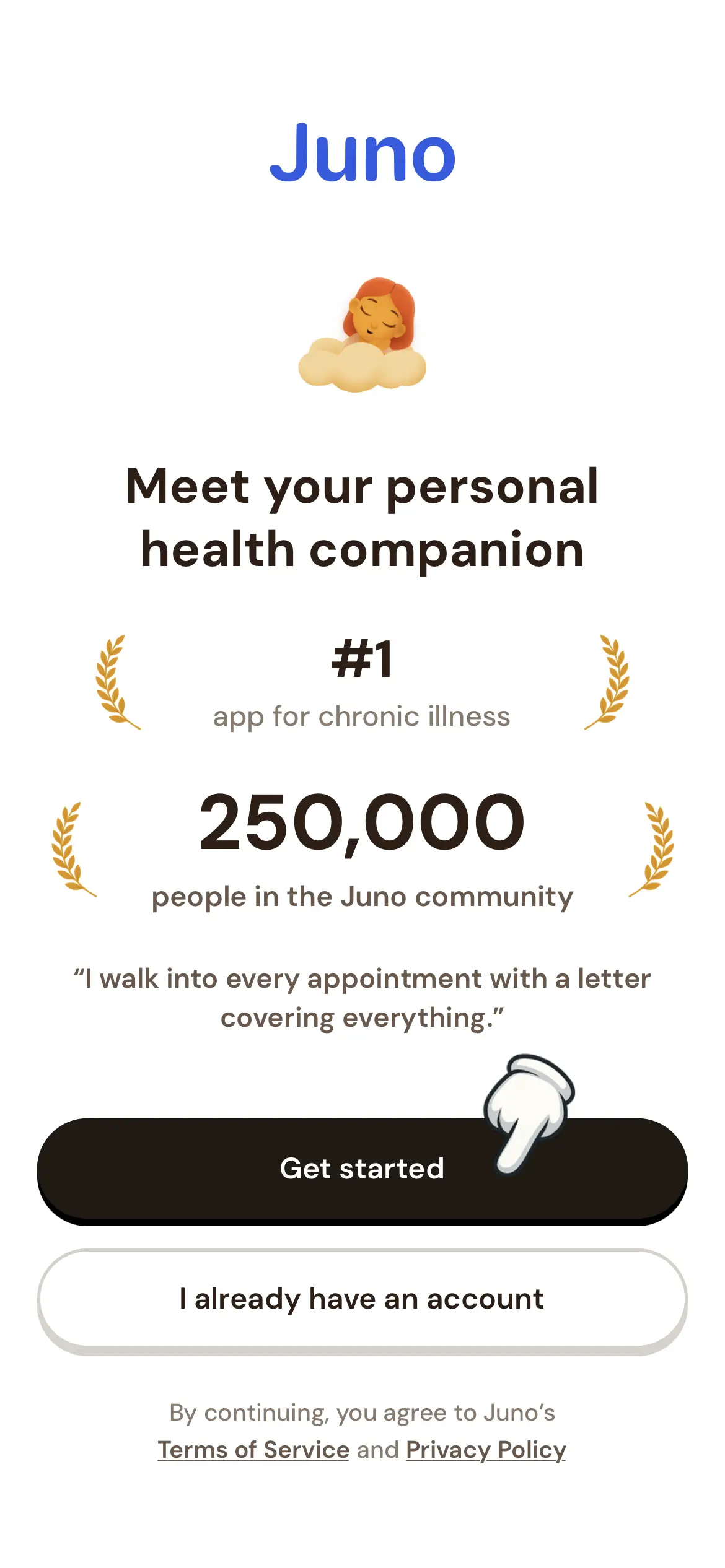
Pushscroll and Push Up Arena actually have you do push-ups partway through onboarding.
Before you pay a cent, they let you experience the app's value with your own body. That's powerful. It's a major driver of conversion!
Another thing all the push-up apps in this piece share: long onboarding flows.
Pushscroll has 41 screens, Wayk has 43, and Push Up Arena has a whopping 46.
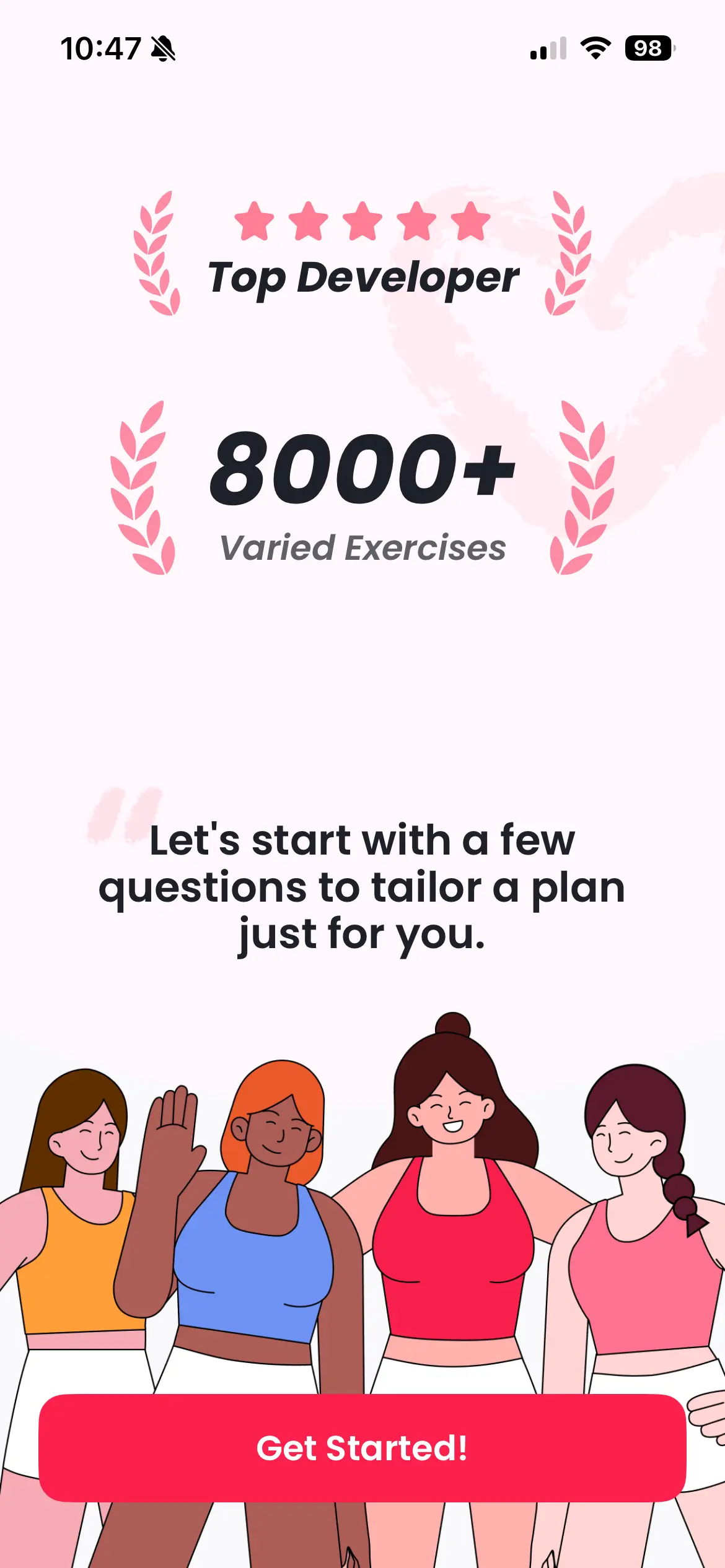
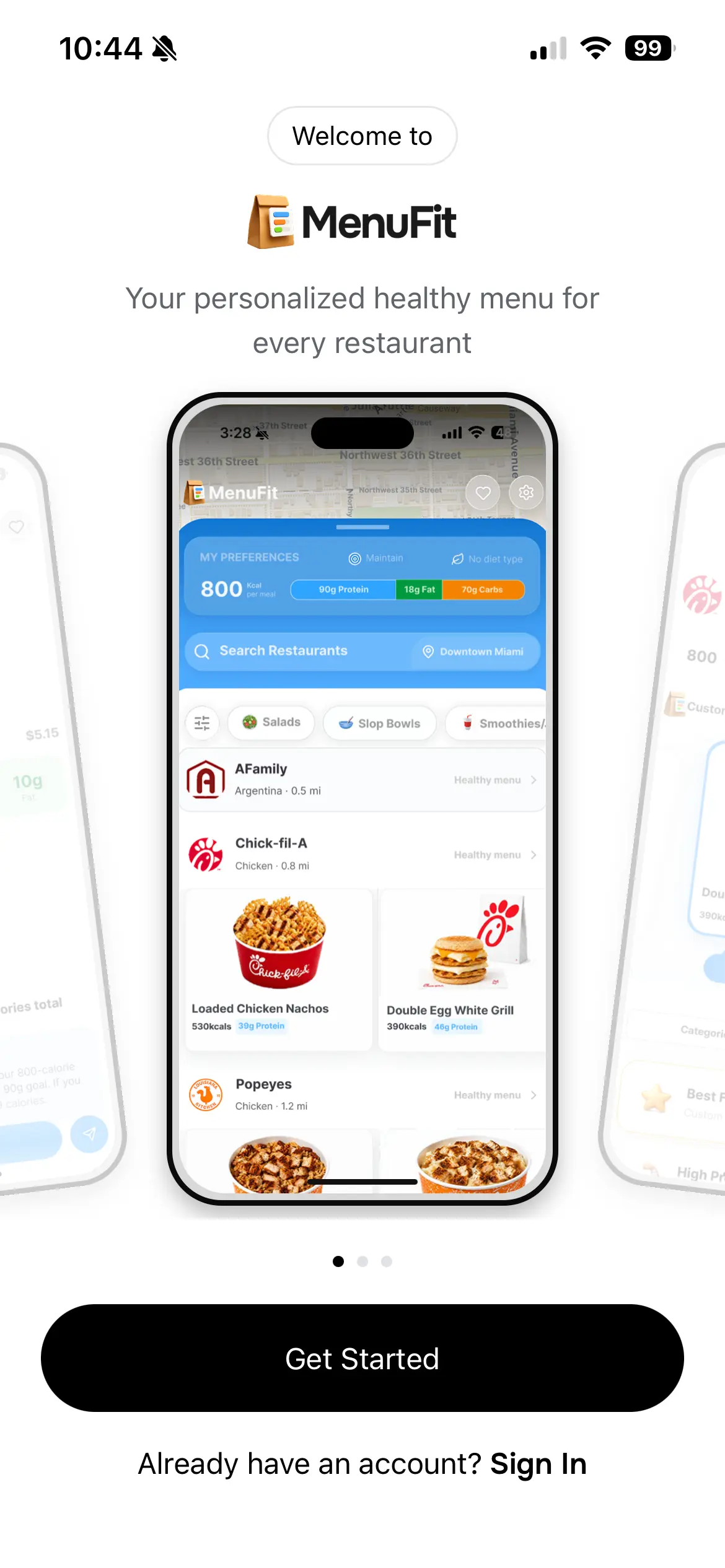
I'll touch on what their onboarding flows and paywalls have in common a bit later, but you can see them all on OnboHub below. Each app's viral social posts are there too 👇
So by now, I think the picture of why "push-ups × something" apps sell is pretty clear.
So if you were to build one yourself, what should you build, and how should you grow it?
In the rest of this piece, I cover 👇
What kind of app to build, based on these success stories
How to win in your own local, non-English market
Onboarding and paywall lessons from the three top sellers
A breakdown of the winning short-form video patterns
Plenty of push-up apps have already come out, but I think there's still a lot of opportunity left.
Especially in local markets outside English, it's still anyone's game.
I hope you'll read all the way to the end!!
💡 What Kind of App Should You Build?
From here, I want to think through what I'd actually do if I built a new app based on these success stories!
Broadly speaking, I see three directions:
Localization
A slight twist on an existing theme, or a niche
A completely new "push-ups × something" app
Localization
The first thing I'd consider is localization.
That means taking the theme of an app that's already selling in English and localizing it for another language market, like your own.
This is a pretty solid approach.
There are countless cases of apps that went viral and sold well in English being localized for other language markets and growing there.
For example, Symmetry, which I covered in a previous post, grew a gym app by targeting Spanish speakers 👇
🏋️ How a 22-Year-Old College Dropout Grew a Spanish-First Gym App to $240K a Month in One Year
And the AI calorie-tracking apps that became famous through apps like Cal AI have been localized in all sorts of countries and are selling extremely well.
That said, I think cases of English-language hits being localized and growing big in other markets are still rare. In my home market, Japan, there are still very few.
Which is exactly why there's an opportunity.
I cover a lot of viral apps from around the world here, so simply localizing one of them for your own language market could have real potential.
Apps themselves are now relatively easy to translate into other languages, so the language barrier isn't what it used to be.
In other words, apps that sell in English are increasingly able to sell in other language markets too.
Pushscroll and Wayk, for example, already support Japanese, and you can subscribe to them on the Japanese App Store just like any local app.
But short-form video on platforms like TikTok is highly local, which makes it hard for foreign apps to win in local markets.
When I searched TikTok in Japanese, my native language, for "push-up app," the posts that came up were mostly people introducing foreign apps, with only a few dozen likes each. I could barely find any account seriously posting about this genre in Japanese.
The apps exist, but short-form video in the local language is still wide open. Try the same search in your own language; I suspect you'll find a similar gap. That's where I think the opportunity is.
A slight twist on an existing theme, or a niche
Next: going after a slight twist on an existing theme, or a niche.
Plenty of alarm apps and screen-lock apps have already hit the market.
Taking them on head-to-head isn't the smartest move.
But it's also true that this genre goes viral easily and taps into intense demand.
So the key is to shift the theme slightly or narrow it down to a niche. (The localization approach above is also a kind of niche strategy.)
For example, you could swap push-ups for something else.
Instead of push-ups, you might be able to differentiate with a different exercise, like sit-ups or squats.
Another niche strategy could be a screen lock for kids, marketed to parents. Push-ups probably won't land with kids, but there are endless possibilities: parents could set quiz questions, for example, and the screen would unlock only once the child solves them.
By shifting slightly away from themes that are selling now, or narrowing them down to a niche, you may well come up with an idea for an app that sells.
A completely new "push-ups × something"
And finally, a completely new "push-ups × something" app.
Something occurred to me while writing this: "push-ups × something" is really just fixing push-ups in place and swapping out the "something," so you could argue it's also a twist on existing apps.
Anyway, since this piece is about push-up apps, let's look at what other push-up apps might work.
I thought about it again, and honestly, phone locks and alarms are just really strong! lol
I had a hard time coming up with anything that beats them.
But here are the ideas I managed to squeeze out.
Push-ups × raising a character
How about an app where your character grows the more push-ups you do?
Japan has a strong culture of character-raising games, starting with Tamagotchi, so this seems like a natural fit for Japanese culture.
And culture that's grown up in Japan tends to land incredibly well overseas. Words like "Tamagotchi" and "Pokémon" are hugely recognizable around the world, so you could use them as hook text in short-form videos.
Short videos with hooks like "Tamagotchi × push-ups" or "Pokémon × push-ups" seem like they'd go viral.
Of course, there are IP rights to consider, so you'd need to be careful when building the app itself. Copying the originals is a no-go.
Push-ups × side-scrolling game
This one came back to me while I was writing: recently there was a viral game where you play a Mario-style side-scroller by controlling it with push-ups.
You move your character up and down with push-ups, dodging obstacles on the way to the goal.
I remember thinking, "Yep, this is going to blow up." (I tried to track down the game and the viral post, but I couldn't find them... If you've seen it, please let me know in the comments.)
Either way, I think this could work as a viral push-up app too.
Push-ups while you wait for AI
I don't have a concrete app in mind for this one, but what about an idea that fills the time you spend waiting on AI with push-ups?
I use all kinds of AI tools every day, and sometimes I end up wasting the time after I give an instruction and wait for the result. I think a lot of people feel this.
If you could replace that time with push-ups, it would turn into something worthwhile.
Something like a plugin that gives you a mission, like push-ups, while you wait for Claude or ChatGPT to respond.
Hmm... I like the idea of "making AI wait time worthwhile," but as a solution, it feels a bit weak.
Push-ups × Tinder
How about a dating app like Tinder where you have to do a few push-ups before you can swipe?
Plenty of users must be burning hours swiping endlessly.
If you could weave push-ups into that, it would cut down on mindless swiping and help people work on themselves at the same time. That could make for a neat story.
But dating apps like this don't work without a large user base in the first place. It might be an interesting idea, but it would be hard to make it work.
Recently, dating apps where every user is an AI were trending, so maybe combining push-ups with that could work?
So I brainstormed a bunch, but in the end, the original screen-lock and alarm ideas really are brilliant.
If you have any other good ideas, please share them!
📲 Monetization: Onboarding and Paywall
Once you've settled on your app's theme, the next big lever for revenue is onboarding and the paywall.
How well you optimize onboarding and the paywall can make a huge difference in how much your app earns.
As I mentioned earlier, every app in this piece uses a long onboarding flow of 40+ screens. All of them are really worth studying.
The general flow: start with personal questions, help the user recognize their problem along the way, and then present the app's value.
And what they all have in common is an element designed to draw out a strong commitment.
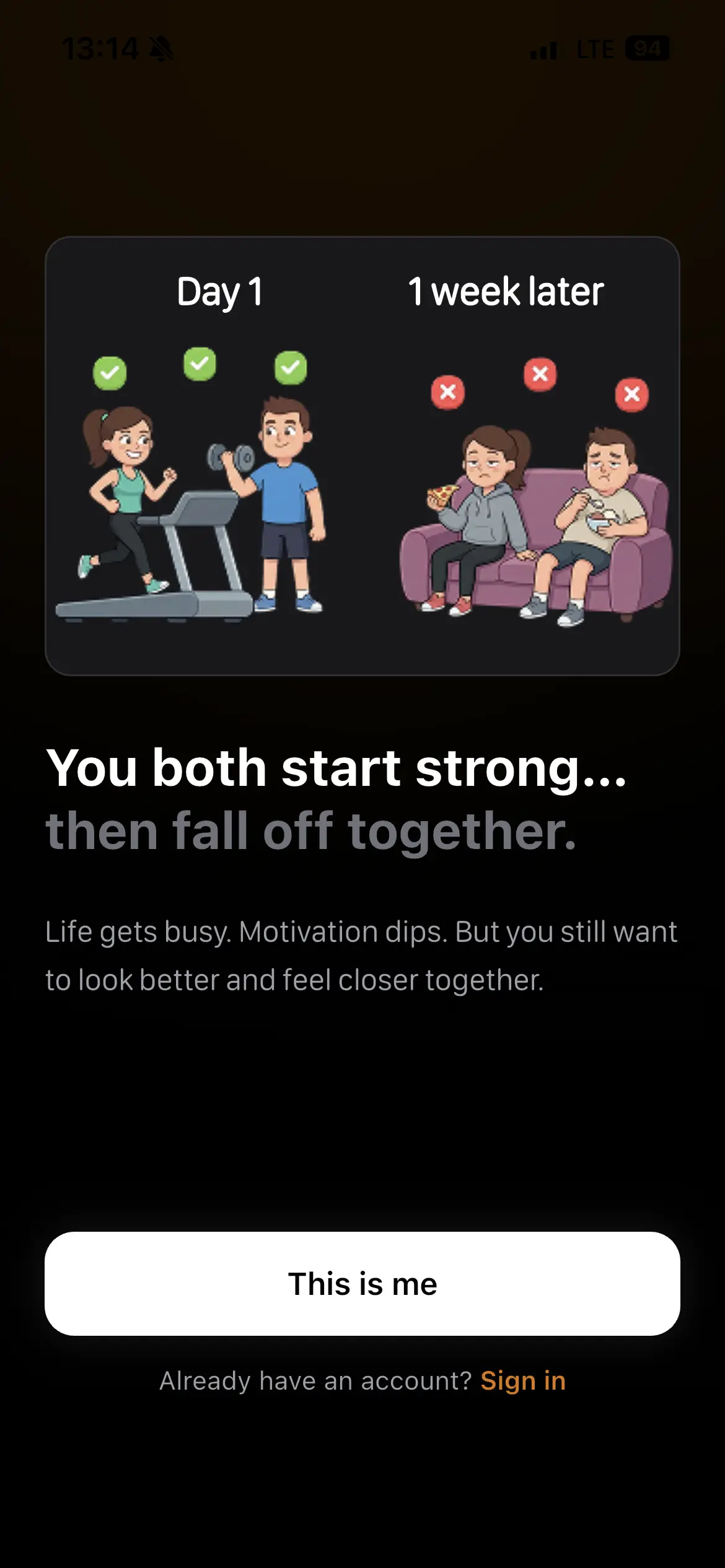
Pushscroll and Push Up Arena actually include a screen in onboarding where you do push-ups 👇
This communicates the app's value, and the simple fact of having done a push-up draws out commitment and dramatically lowers the barrier to using the app.
Meanwhile, the alarm apps Wayk and Erly include a screen that asks you to sign your name, drawing out the user's commitment 👇
Having users declare their resolve at the very end of a long onboarding flow is how they push conversion up.
As for pricing, when I checked, Pushscroll, Push Up Arena, and Erly charged around $10 a month or $35 a year, while Wayk offered only an annual plan, at around $25. (Prices vary by country.)
And every one of them uses a hard paywall. Not freemium, but the kind that asks you to pay right from the start (with a free trial).
Sure enough, the apps growing on TikTok all pair a long onboarding flow with a hard paywall.
I think the smoothest order is to start with a hard paywall to build real revenue, use that revenue to fund the cycle of ads and improvements, and save freemium for the later expansion phase.
🎬 Acquisition: Winning Short-Form Video Patterns
Now for the most important part: acquisition.
Every app I've covered here has grown through short-form video.
By the way, Alejandro has laid out exactly how he grew Pushscroll from a $0 budget to $100K a month in an X article 👇
There's a lot in there, but it boils down to this:
Research videos that are already working, and adapt them for your own app
Keep refining your hooks until you find a winning pattern
That's really all there is to it.
Alejandro says he started by searching keywords for his genre (in his case, "doomscrolling" and "screen time") and adapting the hooks and formats of videos with 50,000+ likes for his own use. Copying them outright is a no-go, though.
From there, he kept refining his hooks to make videos people were less likely to skip.
The metric he watches is the skip rate (the share of viewers who drop off in the first 3 seconds).
Above 50% means the hook is bad. At 18% or below, the video will almost certainly go viral, he says.
And here's what he says makes a good hook 👇
There's a gap (Could this stop my scrolling addiction? Why push-ups?)
It's new
It makes viewers feel they'll get something they want if they watch to the end
It uses emotionally charged words (he apparently uses the phrase "doomscrolling addiction" a lot)
It uses words a fifth grader would understand, with every unnecessary word cut
And here are the hooks that went viral for the apps in this piece 👇
"What if you could stop doomscrolling addiction by doing 20 push-ups?" (Pushscroll: the "What if" hook)
A morning scene that opens on a crying face (Erly: the despair-face hook)
A POV where you're forced to photograph your toilet to stop your alarm (Wayk: the infuriating-moment hook)
A friend's line: "Nice, I can only do 15" (Push Up Arena: the relatable-meme hook)
One look and you can tell why each of these hooks went viral.
📝 Wrap-Up
So that's our look at the "push-ups × something" apps selling like crazy overseas.
Wayk (push-ups × alarm): $200K a month within six months of launch
Pushscroll (push-ups × phone lock): $100K a month, $1M in cumulative revenue in a year
Push Up Arena (push-ups × RPG): 100K downloads in 90 days, $11K a month
Push-ups get the idea across instantly, can't be faked, and the act of using the app becomes the video itself.
That said, the bullseye categories, "push-ups × phone lock" and "push-ups × alarm," already have strong first movers.
If you're going after this space, aim for a "something" nobody has tried yet, or for short-form video in your own local language, which is still wide open.
Use this breakdown as a starting point and try building a push-up app of your own.
Start by posting a single concept video. Let's keep building!
That's a wrap on "push-ups × something" apps.
Thank you for reading all the way through! If anything caught your interest or you have questions, feel free to reply to this email anytime!
And if you mention my X account when you post your thoughts, I'll be absolutely thrilled. I'll always respond!
See you again next Monday!
References
https://read.first1000.co/p/how-an-alarm-app-got-25-million-views
https://www.indiehackers.com/post/how-a-simple-alarm-clock-app-makes-50k-month-RYmogGgIR0fKfLDBl7a0
https://www.tiktok.com/@biancawakesup/video/7635814082850884884
https://www.getbraavo.com/blog/from-0-to-1m-the-organic-growth-playbook-behind-pushscroll/
https://www.tiktok.com/@skyirezumi/video/7503349816433413398
https://apps.apple.com/us/app/push-up-arena-fitness-game/id6762318743
https://www.tiktok.com/@pushuparena.app/video/7649892427473505566
https://www.tiktok.com/@pushuparena.app/video/7637686723069185311
https://www.trustedreviews.com/reviews/runtastic-pushups-pro
https://research.google/blog/on-device-real-time-body-pose-tracking-with-mediapipe-blazepose/
https://dev.to/arshtechpro/wwdc-2025-wake-up-to-the-alarmkit-api-ios-26-4e67
https://sensortower.com/blog/japan-app-trends-2024-report-by-adjust-and-sensor-tower
https://gamedevreports.substack.com/p/adjust-and-sensor-tower-japans-mobile